“We don’t ‘shoot!’ We’re not hunters! We photograph.”—Julius Shulman
In 2003, while working as the senior editor of architecture & design for Abrams Books in New York, I developed a project for the late Julius Shulman on the history of high-art residential architecture in Malibu, a place Julius had first visited, with Vest Pocket Kodak camera in hand, in 1928. Throughout late ’03 and ’04, we worked together on the book, partly in the field and partly in Julius’s Raphael Soriano-designed house-studio. Among the many unforgettable moments shared was when Julius conceded to my pleading and promised to “train” me in his approach to architectural photography…and proceeded to do just that.
Whenever there was downtime, I ‘d nag him about it. On some occasions, after setting me up with his old Nikon SLR, a shift lens, and his tripod, Julius would have me depart his home-studio in Laurel Canyon in search of subjects. Later, after the slides had come back from the lab in Santa Monica, I’d bring them to Julius, at which time, while seated at his desk with a magnifying loupe, he would summarily lay down the law, slide after slide after slide.
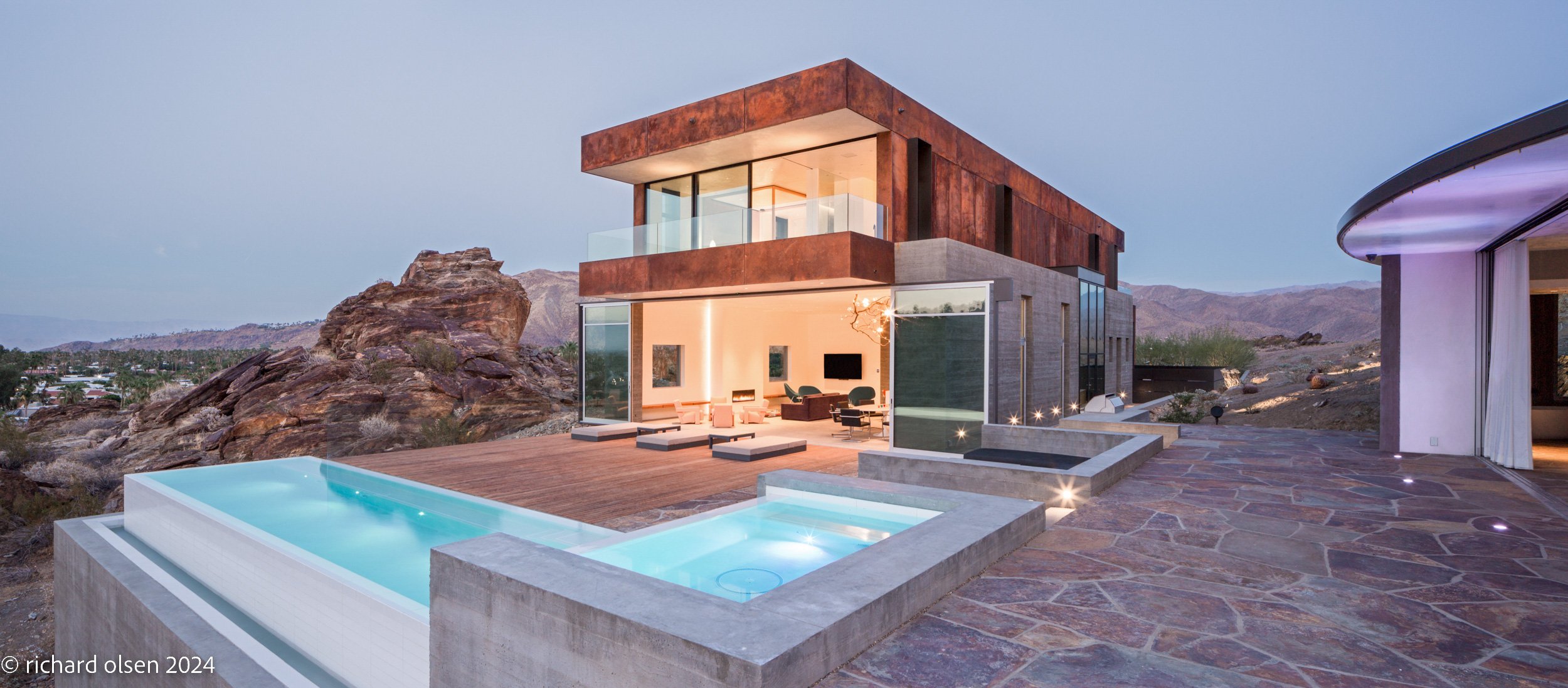
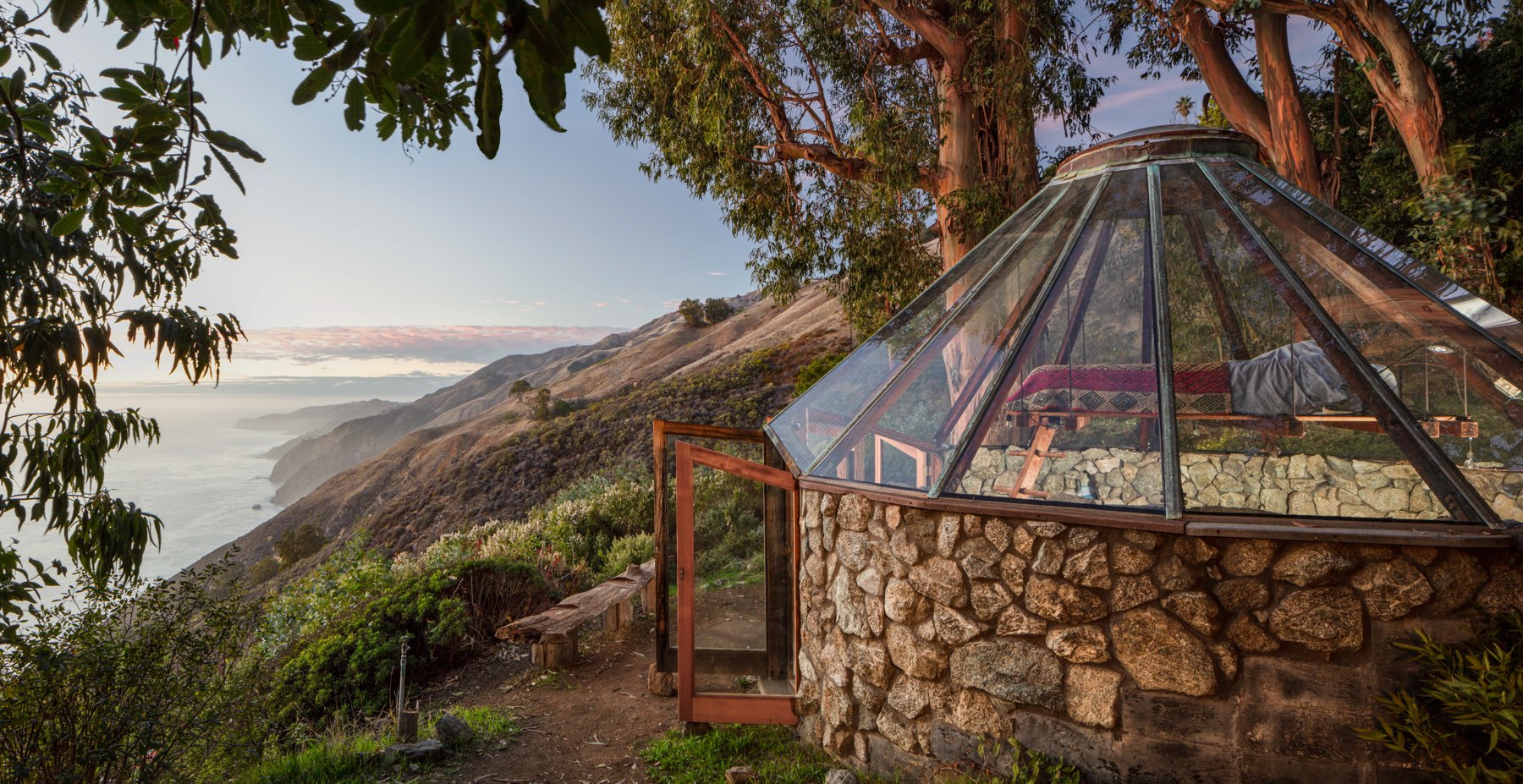
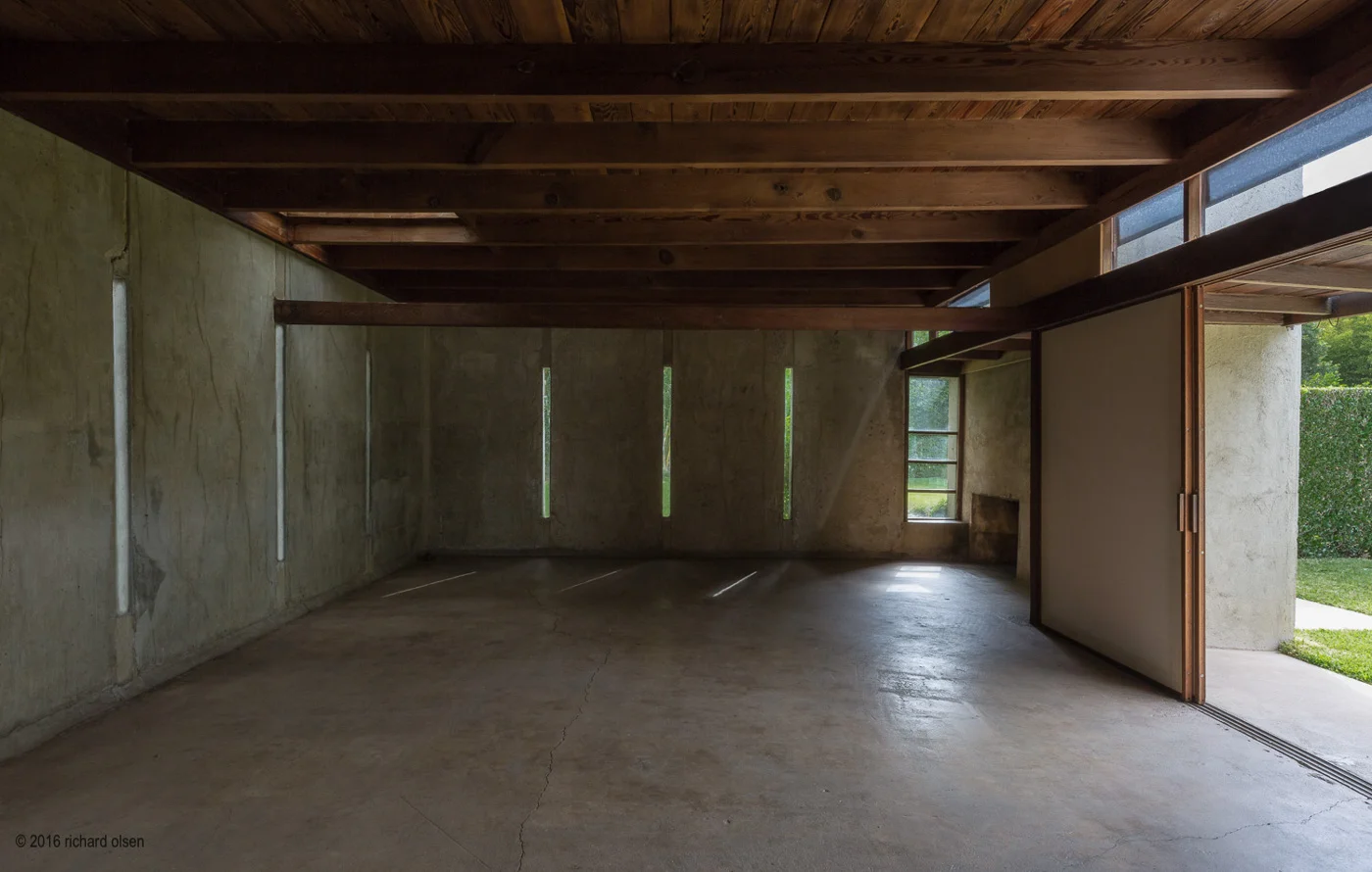
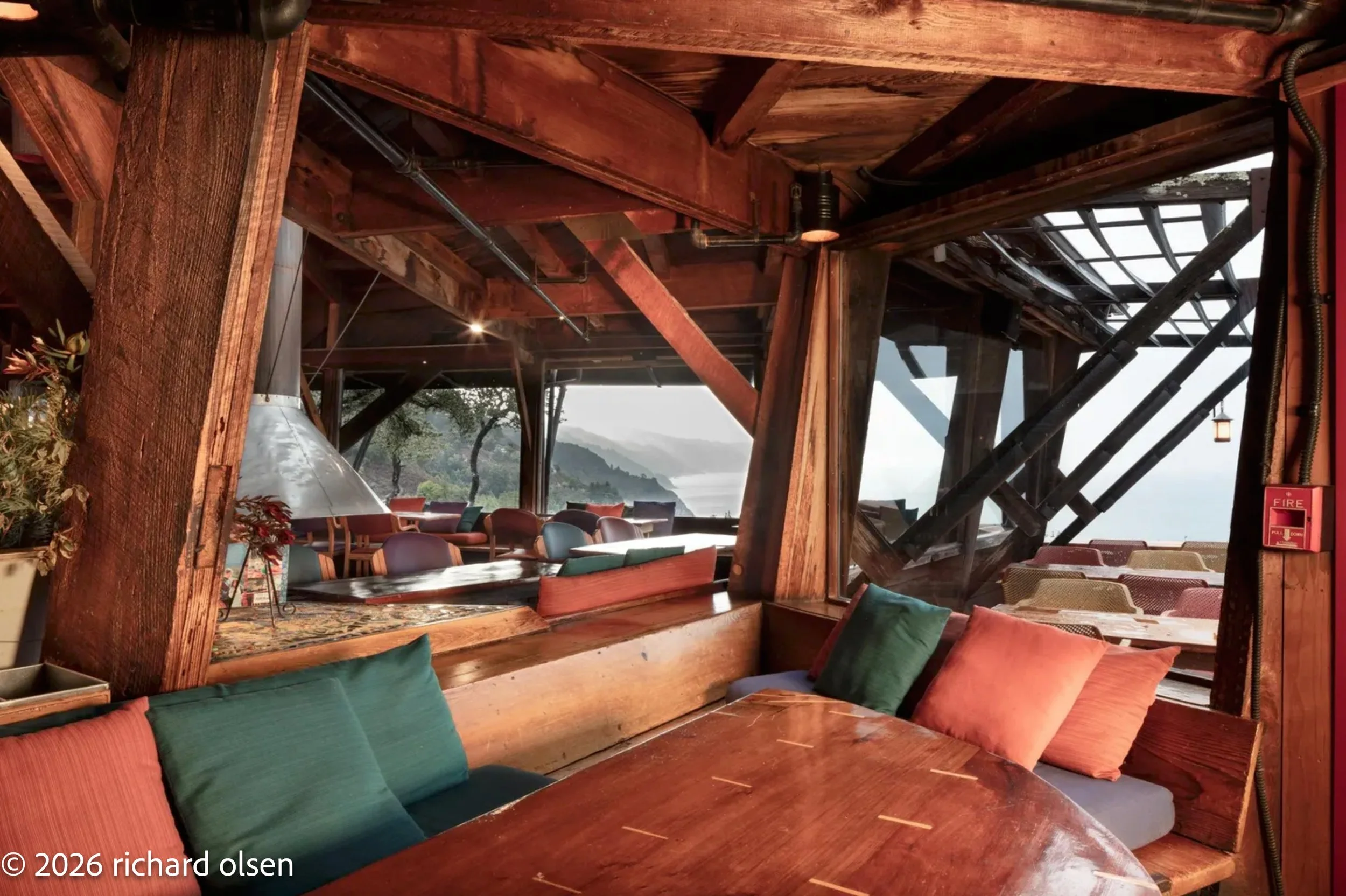
Even now, more than two decades later, whenever I get behind the camera, Julius is in my ear, reflecting in his inimitable way on what mattered most to him in his eight-decade-long professional life: the fine details that comprise the art of image making. Today’s widespread trend of underexposure in interiors photography—often, it’s to the extent that the very contents of the interior (texture, patina, color, etc.) are illegible—would make Julius crack up.
The Shulman principles of architectural photography—they still hold weight.